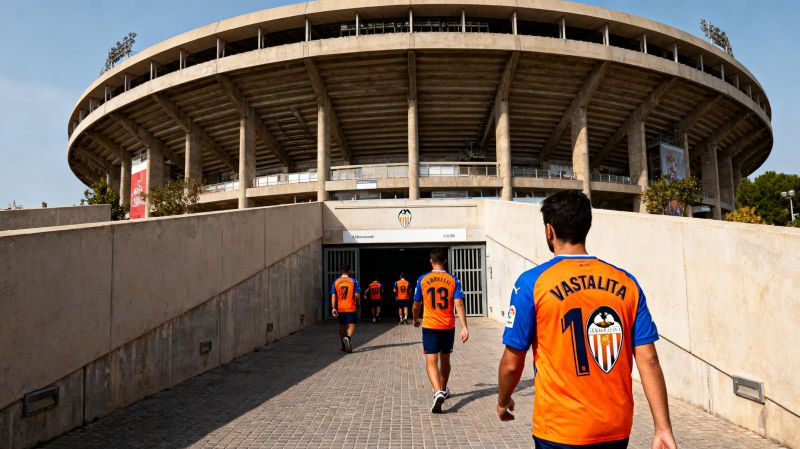
Walking up to Mestalla Stadium from the Avenida de Aragón side。you feel the slope before you see the stands. The pavement rises, and suddenly the iconic curved roof of the north end looms above you—concrete, steel, and decades of football history packed into one steep bowl. This isn't a museum piece;it's a living, breathing ground that's hosted Valencia CF since 1923. If you're planning a visit, forget the generic stadium tour advice. Here's how to actually do Mestalla right.First, tickets. For league matches, the club releases seats online about two weeks out, but the real trick is checking the official resale platform 48 hours before kickoff—season ticket holders often offload spots at face value. I snagged a lower-tier seat behind the goal for €45 that way, while tourist sites were charging €90 for worse views. For tours, skip the weekend crowds. Go on a weekday at 10 a.m. sharp;
you'll get more time in the trophy room and the tunnel without being herded like cattle. The tour route takes you through the dressing rooms (note the giant Valencia CF crest on the floor—players touch it for luck), the press box。and pitch-side. The Mestalla Stadium pitch is famously narrow, and standing at the edge, you understand why visiting teams struggle: the stands feel like they're breathing down your neck.Matchday atmosphere is where Mestalla Stadium truly separates itself from other La Liga grounds. The north stand, known as the Grada Mario Alberto Kempes, is a wall of noise—drums, flags, and chants that haven't changed in decades. Sit there only if you're ready to stand for 90 minutes and learn the lyrics to 'Amunt Valencia' fast. Families and casual fans should aim for the covered Tribuna or the Gol sections. One quirk: the stadium runs on cash for most kiosks—cards are accepted only at the main merchandise stands. Bring euros. Also, the queues for the bathrooms at halftime are legendary;use the ones near Gate 4 before the whistle。or you'll miss the start of the second half. I learned that the hard way during a Valencia derby.Food around the ground is part of the ritual. Skip the overpriced stadium hot dogs and walk five minutes to the Bar Imperio on Calle de Sueca. Their 'bocadillo de lomo con queso' costs €4.50 and is worth every crumb. Locals gather there two hours before kickoff, debating lineups over espresso. For a pre-match pint。
the Cervecería La Sureña near the north entrance pours cold Mahou for €2.50—no frills, just good beer and football chatter. Post-match, if Valencia wins, follow the crowd to Plaza del Cedro;if they lose, head straight to the Turia gardens for a quiet walk. The mood of the city swings with this team, and Mestalla Stadium is the pendulum's pivot.Practical notes: the metro stops at Aragón and Túria。both a short walk away. Avoid driving—parking is a nightmare and the streets around the ground close two hours before kickoff. If you're visiting in summer, tours run limited hours due to the heat;
check the club website for updated schedules. And don't bother with the official audio guide—it's robotic. Instead, chat with the elderly volunteers stationed in the trophy room. One of them, Vicente, has been attending matches since 1961 and will tell you stories about the 1971 title run that no guidebook covers. That's the real Mestalla Stadium experience: not just the concrete and the cheers, but the people who've kept it alive for a century.